Articles > February/March 2012 > Queen Bee

|
|
Queen Bee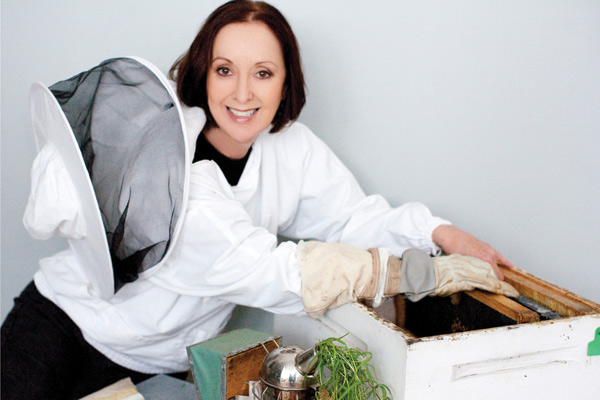 When was the last time you were stung by a bee? Chances are not recently! The reality is that there are so few feral bees in our natural environment that many have never experienced a bee sting. Albert Einstein famously said, “If the bee disappears from the surface of the earth, man would have no more than four years to live. No more bees, no more pollination … no more men!” Thus, with colony loses increasing worldwide interest in the protection of bees is more important than ever. Market access, general rules and regulations, the testing regime and consumer awareness has heightened for an industry that has thrived in New Zealand for over 150 years. On March 10, 2011 there were 3,251 registered beekeepers, 23,395 apiaries and 388,369 beehives in New Zealand. The bee industry, which contributes an estimated $5 billion p.a. to our nation’s economy, plays a crucial part in New Zealand agriculture; pollinating around one third of our food sources. Now one of our own has been especially chosen to represent New Zealand in the fight to protect the precious insect. Maureen Maxwell has been appointed regional president for the Oceania Commission of Apimondia, the International Federation of Beekeeping Associations. This is the first time this role has been open to a member of the Oceania region, and it allows international research to be directly communicated to local beekeepers and takes our beekeepers problems to the international forum. “Imagine a dinner plate but without all of the lovely, fresh, colourful foods with their abundance of vitamins,” Maureen explains. “Bees create naturally fertile pastures for many animals supporting our wool, meat and diary industries. Crops like coffee, chocolate, cotton and biofuels rely heavily on bee pollination. Without bees more artificial fertilisers would be necessary, with potentially more destructive runoff into our lakes and rivers. With the expansion of these primary industries and the increase in the chemicals and pesticides used to accelerate their growth many honey bees are being poisoned.” Maureen explains how the humble home gardener can also be harming bees. “People don’t realise the products in supermarkets that we spray on our roses and tomato plants are killing our bees. It’s so important that in every way possible we protect them.” Reporting to the international president, Gilles Ratia, Maureen will play her part in assisting beekeepers in the region by facilitating the exchange of information via congresses and symposia where beekeepers, scientist, honey-traders, technicians and legislators meet to listen, discuss and learn.   |